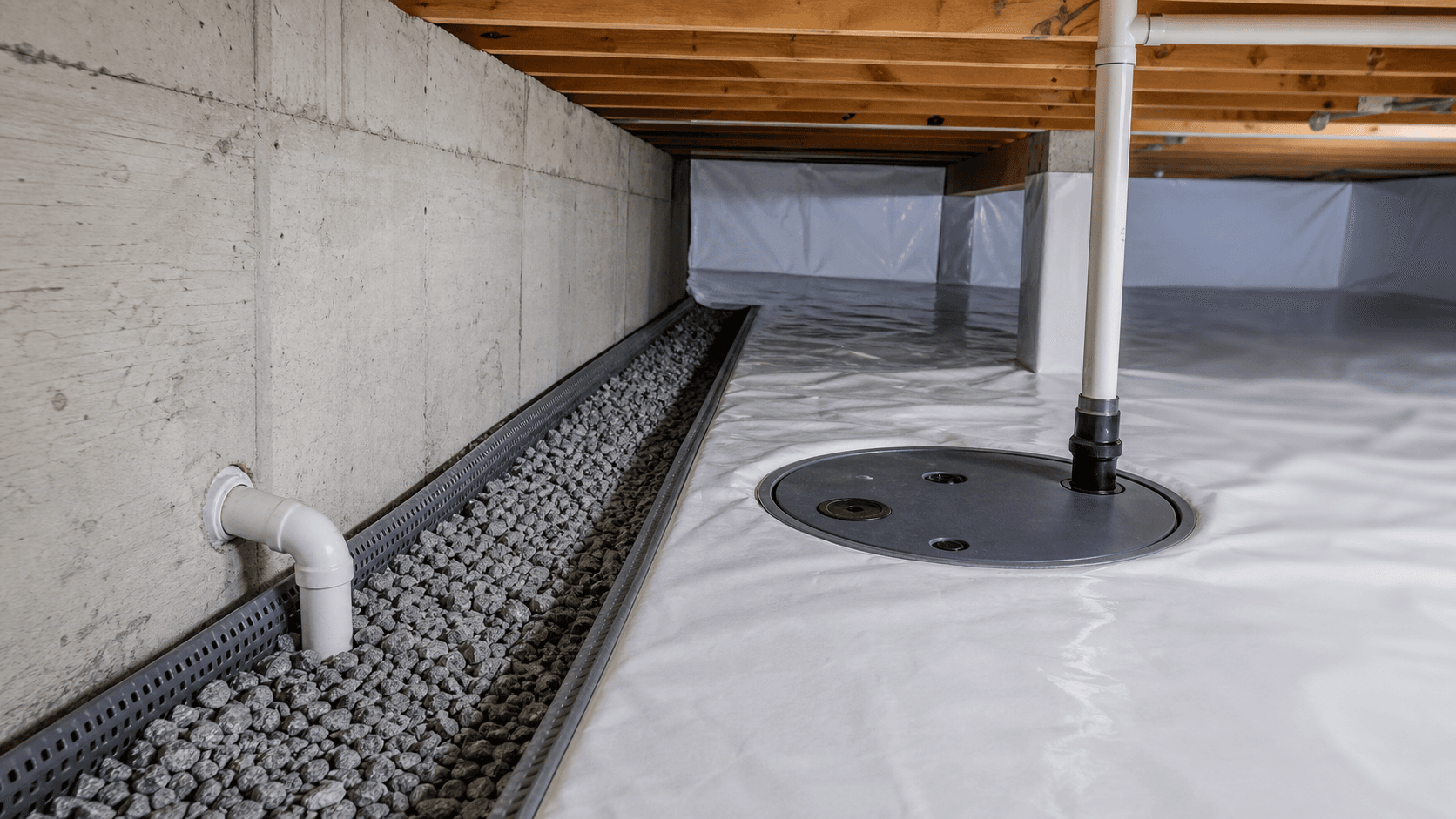
Is standing water in a crawl space normal?
No. A damp crawl space after heavy rain can happen, but visible standing water should be investigated because it can contribute to humidity, odor, insulation damage, wood moisture, and pest activity.
Water intrusion symptom guide
Standing water in a crawl space is not normal and should be investigated. The first step is to find whether the water is coming from rain, grading, gutters, foundation seepage, plumbing, HVAC equipment, or a high water table before covering the ground or encapsulating the space.
Urgency
The amount, timing, and source of water matter. Persistent water or water near electrical or structural components should be treated more seriously.
| What you see | What it may mean | Suggested next step |
|---|---|---|
| Damp soil after rain | Moisture source may be minor or seasonal | Check gutters, grading, ground cover, and repeat patterns |
| Small puddles that dry quickly | Water entry is happening but may be intermittent | Document location and timing; inspect drainage path |
| Standing water that remains for days | Drainage, seepage, or groundwater issue likely | Request crawl space drainage evaluation |
| Deep water or water near equipment | Safety concern | Do not enter; request qualified help |
| Water plus sagging floors or rot | Moisture and structural concerns may overlap | Ask whether structural review is needed |
Likely causes
The repair should match the source. A sump pump is useful only if water is collected and discharged correctly.
| Cause | Common signs | Why it matters |
|---|---|---|
| Poor grading | Soil slopes toward the house | Rainwater is directed toward the foundation instead of away |
| Short or clogged downspouts | Water dumps near foundation corners | Roof runoff can overload the crawl space perimeter |
| Foundation wall seepage | Damp walls, stains, or water lines | Interior drainage may be needed when water enters through walls |
| Low crawl space or high water table | Water appears in low areas after wet periods | Drainage and sump pump design may be needed |
| Plumbing or HVAC leak | Water appears without rain or near equipment | A trade-specific repair may be needed before drying |
| Missing or damaged vapor barrier | Wet soil and exposed earth | Ground vapor adds humidity but may not explain puddles by itself |
Safe observations
Start outside when possible. You do not need to crawl through water to gather useful information.
Are gutters overflowing or clogged?
Do downspouts discharge at least several feet away from the foundation?
Does soil slope toward the crawl space?
Does water appear only after rain or also during dry weather?
Is the vapor barrier floating, muddy, or holding puddles?
Are ducts, pipes, or equipment dripping?
Avoid
Quick cover-ups can hide the source and make later repairs harder.
Do not encapsulate over active water.
Do not install new insulation before moisture is controlled.
Do not assume a dehumidifier can remove puddles.
Do not ignore water because it dries between storms.
Do not pump water next to the foundation.
Do not enter if electrical or sewage hazards are possible.
Repair path
Water problems often need a sequence: exterior corrections, drainage, sump pump, drying, vapor barrier, then encapsulation if appropriate.

Local context
Local site conditions vary, but heavy rain, clay-heavy soils, foundation grading, and roof runoff can all affect crawl space water.
Triangle homeowners should pay close attention to downspouts, lot slope, low crawl space areas, and water patterns after storms. Local pages should add verified city-level drainage and climate details before making neighborhood-specific claims.
Questions
A good inspection should explain where water comes from and why the proposed repair matches that source.
Where is water entering or collecting?
Is the source rainwater, groundwater, plumbing, HVAC, or drainage?
Do gutters, downspouts, or grading need correction first?
Is interior drainage recommended, and where will it discharge?
Is a sump pump needed, and what backup is recommended?
Should encapsulation wait until water control is verified?
FAQs
Short answers to common homeowner questions before comparing repair options.
No. A damp crawl space after heavy rain can happen, but visible standing water should be investigated because it can contribute to humidity, odor, insulation damage, wood moisture, and pest activity.
Avoid entering if there are electrical hazards, deep water, sewage, or unstable surfaces. Check gutters, downspouts, grading, plumbing leaks, and recent rain patterns from outside first, then request an inspection if water persists.
Active water should be corrected before encapsulation. A liner can hide water and trap moisture if drainage, grading, leaks, or sump pump needs are not addressed first.
Sometimes, but not always. A sump pump helps collect and discharge water, but the larger drainage plan should explain how water reaches the basin and where it discharges.
Persistent water and high humidity can support conditions where mold-like growth may appear. The site should avoid identifying mold species or health effects without qualified testing.
Sources
This page uses homeowner water-damage guidance, building-science resources, and current crawl space drainage content patterns.